Publications

Magazines
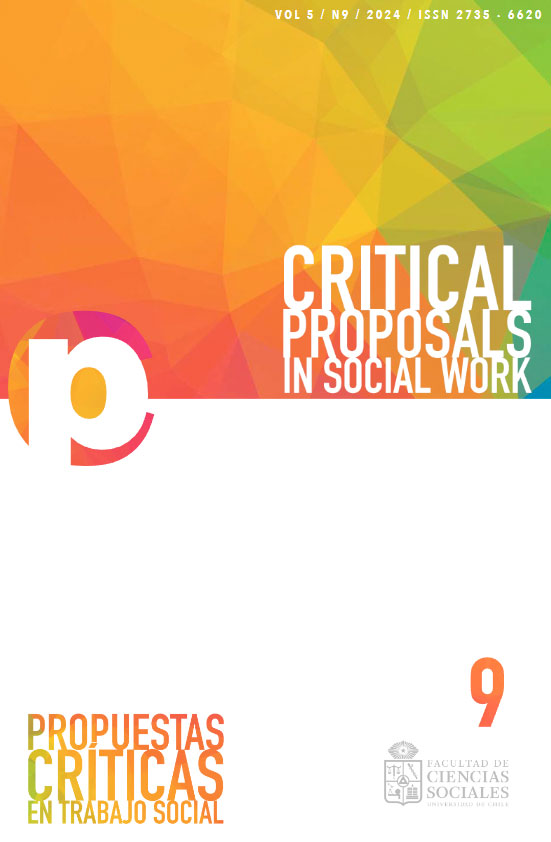
Propuestas Críticas en Trabajo Social Journal

The journal aims to disseminate proposals, analyses, and debates on diverse social phenomena from theoretical-conceptual, political, and historical perspectives framed within the plurality of critical approaches in the social sciences.

View the Journal

MAD Journal

MAD is a publication of the Master’s Program in Applied Systemic Analysis of Society. The journal publishes original scientific works in the field of social sciences, as well as research advances, essays, reviews, and translations that apply perspectives and approaches related to social systems theory, sociocybernetics, and systemic-social constructivism.

View the Journal
Books

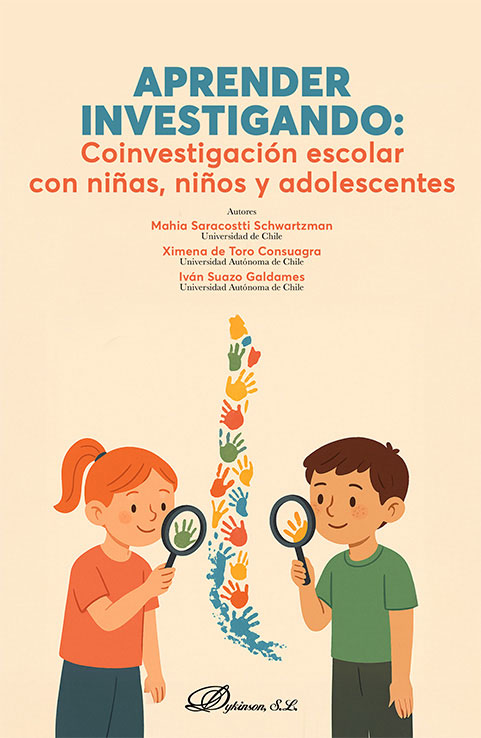
Learning Through Research: School Co-investigation with Children and Adolescents

Mahia Saracostti Schwartzman, Ximena De Toro Consuagra, and Iván Suazo Galdames, 2025, Dykinson Ed., Spain.

This book brings together participatory research experiences developed in Chile, in which children and adolescents actively participated as co-researchers. From an approach that interconnects children’s rights, epistemic justice, and educational transformation, these experiences challenge adult-centric paradigms and affirm the capacity of childhoods to generate scientifically valid and socially relevant knowledge. The cases are situated in diverse educational contexts, both urban and rural, and address topics such as civic participation, digital identity, school retention, and the effects of the pandemic on learning processes. Through methodological transparency and a collaborative focus, the book offers concrete tools for teachers, researchers, and policymakers seeking to include children’s voices in the production of knowledge. In dialogue with global initiatives such as YPAR (Youth Participatory Action Research), Kids in Action, and Think Big, this proposal from the Global South constitutes a distinctive contribution to international debates on intergenerational research and the democratization of science.

Professor Mahia Saracostti participates as lead author.

View at the Publisher
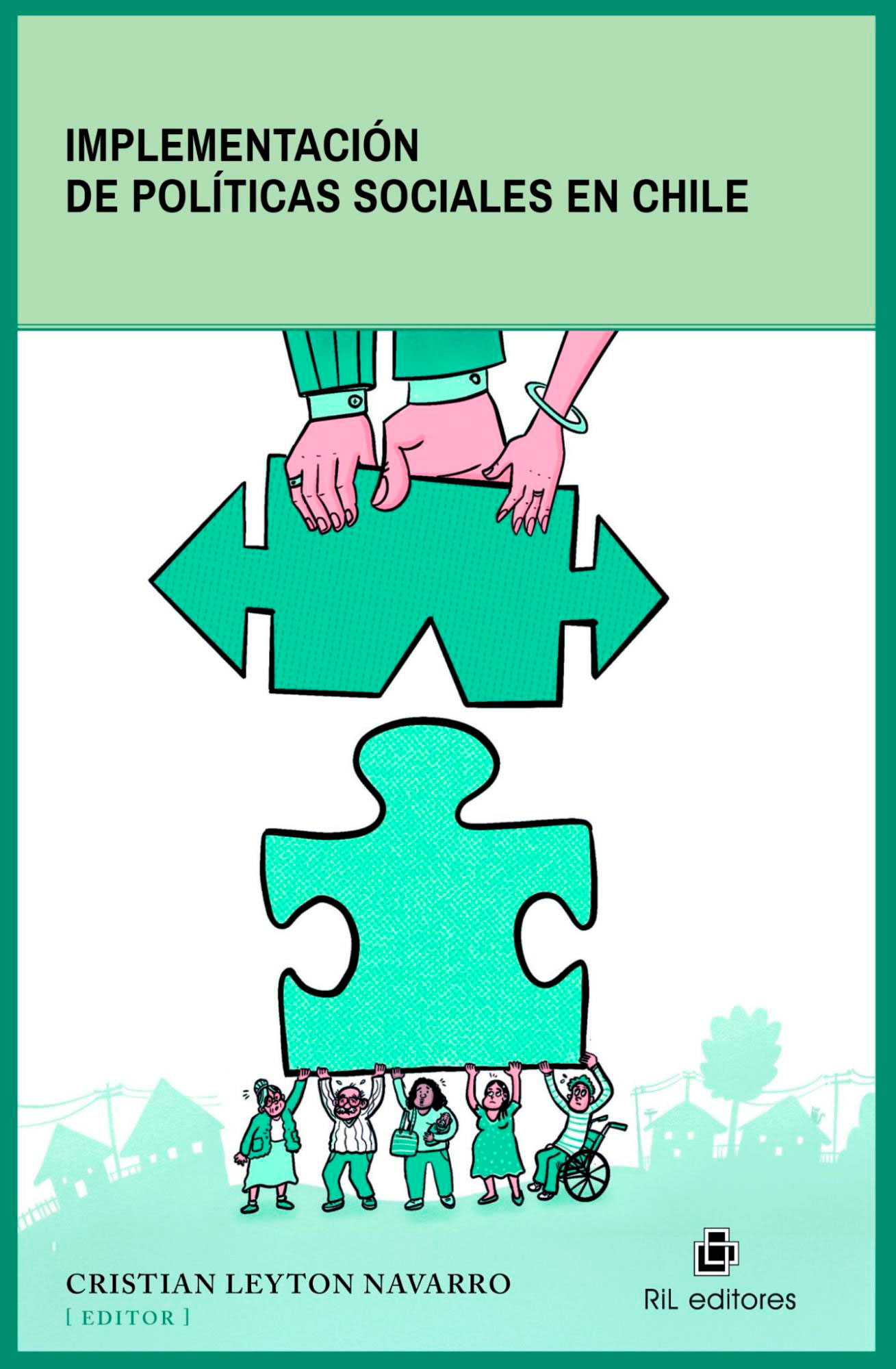
Implementation of Social Policies in Chile

Cristian Leyton Navarro (Editor), 2024, Ril Editores, Chile.

Both academics and policymakers recognize the importance of implementation in achieving the objectives and results of public policies. However, this field remains underdeveloped in Latin America and Chile. This book arises from the lack of research addressing policy implementation from this perspective. It seeks to bring together different studies and disciplinary, theoretical, and empirical approaches under development in the country, focusing on social policies at the local level. It presents reflections and results from ongoing projects, organized into sections that analyze social policy implementation in general, local-level bureaucracy, and the local dimension of implementation, concluding with key reflections and challenges.

Professor Gianinna Muñoz Arce contributes as author of the chapter “Frontline Professional Resistances in the Implementation of Social Programs.”

Studying Adaptive Management in Chile: Uncovering Elements for Resilience

Anahí Ocampo Melgar and Anahí Urquiza Gómez (Editors), 2024, Universidad de Chile.

Climate change is a global challenge with systemic effects. Therefore, it is essential to develop adaptive governance strategies that comprehensively address the management of water, air, soil, and the biosphere, as well as the consequences of the climate crisis on these elements. This requires adopting a holistic approach with flexible management models that promote collaboration among diverse actors.

Based on the work carried out by the CR2’s GOVSPI research line, this case study analyzes the role of this initiative in addressing the climate crisis in Chile through analytical and reflective work composed of a research agenda and a public policy engagement agenda.

Professor Anahí Urquiza participates as editor, and Gabriela Azócar as co-author of the article “Toward Integrated Climate Governance: Contributions from Academia to Public Policy and Knowledge Production.”

View at the Publisher